Date - Apr 30, 2026
Do Duvet Covers Affect Sleep Quality?
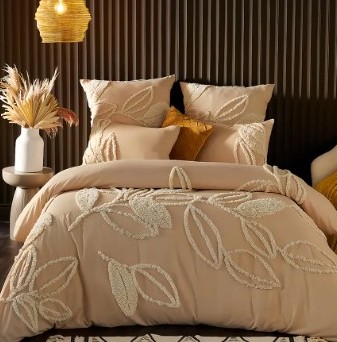
Yes — duvet covers do affect sleep quality, and in more ways than most people realize. The fabric, breathability, weight, and fit of a duvet cover all influence how well your body regulates temperature during sleep, how comfortable your skin feels, and even how quickly you fall asleep. Choosing the right duvet cover is one of the most practical steps you can take to improve your nightly rest.
Research consistently links sleep environment quality to sleep outcomes. According to sleep science, the ideal sleeping temperature range is 60–67°F (15–19°C), and your bedding — including your duvet cover — plays a central role in maintaining that zone throughout the night.
How Duvet Cover Fabric Directly Impacts Your Sleep
The material of your duvet cover is the single most important factor affecting comfort and temperature regulation. Different fabrics behave very differently against the skin and in terms of moisture management.
Table 1: Common Duvet Cover Fabrics and Their Sleep-Related Properties
Fabric
Breathability
Moisture Wicking
Feel
Best For
100% Cotton (Percale)
Excellent
Good
Crisp, cool
Hot sleepers, summer
Cotton Sateen
Good
Moderate
Silky, soft
Year-round comfort
Linen
Excellent
Excellent
Textured, relaxed
Hot/humid climates
Bamboo-derived
Very Good
Excellent
Ultra-soft
Sensitive skin, hot sleepers
Microfiber / Polyester
Low
Low
Smooth, lightweight
Cool sleepers, budget use
Flannel
Low–Moderate
Moderate
Warm, fuzzy
Cold climates, winter
Natural fibers like cotton and linen are generally recommended for most sleepers because they allow air circulation and absorb body moisture, keeping you dry rather than clammy throughout the night.
Breathable Duvet Covers for Hot Sleepers: Why It Matters
If you frequently wake up sweating or feeling overheated, your duvet cover may be partly responsible. Studies show that nearly 41% of adults report night sweats at least a few times per month, and poor bedding breathability is a contributing factor.
Breathable duvet covers for hot sleepers work by allowing warm, moist air to escape from under the covers rather than trapping it against the body. Key features to look for include:
Percale weave cotton — a one-over-one-under weave with a thread count of 200–400 that creates a light, airy structure.
Linen — naturally hollow fibers allow airflow; linen can absorb up to 20% of its weight in moisture before feeling damp.
Bamboo-derived fabrics — micro-gaps in the fiber structure allow continuous ventilation, and bamboo is naturally thermoregulating.
Lower thread count — contrary to popular belief, thread counts above 400 in cotton can actually reduce airflow; 200–300 TC percale is often more breathable than 600 TC sateen.
Avoid synthetic fabrics such as polyester or microfiber if you tend to sleep hot — they trap heat and lack the moisture management properties of natural fibers.
(function(){
var ctx = document.getElementById('breathChart');
if(!ctx) return;
new Chart(ctx, {
type: 'bar',
data: {
labels: ['Linen', 'Percale Cotton', 'Bamboo', 'Sateen Cotton', 'Flannel', 'Microfiber'],
datasets: [{
label: 'Breathability Score (out of 10)',
data: [9.5, 9.0, 8.5, 7.0, 4.5, 3.0],
backgroundColor: ['#5b9abf','#5b9abf','#5b9abf','#a8cfe0','#d0e8f5','#e8e8e8'],
borderColor: '#2a6a8f',
borderWidth: 1
}]
},
options: {
responsive: false,
plugins: {
legend: { display: false },
title: { display: true, text: 'Breathability Comparison of Common Duvet Cover Fabrics', color: '#1a1a2e', font: { size: 15 } }
},
scales: {
y: { beginAtZero: true, max: 10, ticks: { color: '#333', font: { size: 13 } }, grid: { color: '#e5eef5' }, title: { display: true, text: 'Breathability Score', color: '#2a6a8f' } },
x: { ticks: { color: '#333', font: { size: 13 } }, grid: { color: '#e5eef5' } }
}
}
});
})();
Thread Count and Weave: What Actually Determines Comfort
Thread count is one of the most misunderstood specifications in bedding. A higher thread count does not automatically equal better quality or more comfortable sleep. What matters more is the combination of fiber quality and weave structure.
200–300 TC percale: Crisp, cool, durable. Gets softer with every wash. Ideal for those who sleep warm.
300–500 TC sateen: Smooth, slightly lustrous, moderately warm. Good for year-round use in temperate climates.
Above 600 TC: Often achieved by counting multi-ply threads individually — can result in a denser, heavier cover that traps more heat.
For most people, a cotton percale duvet cover at 200–300 TC offers the most reliable balance of softness, breathability, and durability over time.
Duvet Cover Size Guide: Queen, King, and Getting the Fit Right
An ill-fitting duvet cover can bunch, shift, or leave parts of your duvet exposed — all of which disrupt sleep. Using a proper duvet cover size guide for queen and king beds ensures your cover stays in place and wraps the insert evenly.
Table 2: Standard Duvet Cover Sizes by Bed Type (US Measurements)
Bed Size
Mattress Size (inches)
Recommended Duvet Cover Size
Notes
Twin
38 × 75
68 × 88 in
Good floor-length drop
Full / Double
54 × 75
82 × 88 in
Can use Queen cover for extra drape
Queen
60 × 80
90 × 90 in
Most popular size; suits most couples
King
76 × 80
104 × 90 in
Generous side drape for two sleepers
California King
72 × 84
104 × 94 in
Longer length for taller sleepers
A practical tip: if you share a bed and both partners tend to pull the duvet toward their side, consider sizing up — using a king duvet cover on a queen bed provides extra coverage and reduces "cover-stealing" during the night.
Always verify that your duvet insert matches the cover size closely. A cover that is 4–6 inches larger than the insert on each side allows the insert to settle evenly inside without bunching at the corners.
Weight and Warmth: Matching Your Duvet Cover to the Season
While the duvet cover itself is not the insulating layer, its material weight and structure affect how much of the duvet insert's warmth is retained or released. A tightly woven, heavier cover will trap more heat than a loosely woven percale.
(function(){
var ctx2 = document.getElementById('warmthChart');
if(!ctx2) return;
new Chart(ctx2, {
type: 'line',
data: {
labels: ['Jan', 'Feb', 'Mar', 'Apr', 'May', 'Jun', 'Jul', 'Aug', 'Sep', 'Oct', 'Nov', 'Dec'],
datasets: [
{
label: 'Percale Cotton (coolness effect)',
data: [3, 3, 5, 7, 9, 10, 10, 10, 8, 6, 4, 3],
borderColor: '#5b9abf',
backgroundColor: 'rgba(91,154,191,0.1)',
tension: 0.4,
fill: true,
pointRadius: 3
},
{
label: 'Flannel / Sateen (warmth retention)',
data: [9, 9, 7, 5, 3, 2, 1, 2, 4, 6, 8, 9],
borderColor: '#c0392b',
backgroundColor: 'rgba(192,57,43,0.07)',
tension: 0.4,
fill: true,
pointRadius: 3
}
]
},
options: {
responsive: false,
plugins: {
legend: { display: true, labels: { color: '#1a1a2e', font: { size: 13 } } },
title: { display: true, text: 'Seasonal Suitability of Duvet Cover Fabrics (Comfort Index)', color: '#1a1a2e', font: { size: 15 } }
},
scales: {
y: { beginAtZero: true, max: 12, ticks: { color: '#333', font: { size: 13 } }, grid: { color: '#e5eef5' }, title: { display: true, text: 'Comfort Index', color: '#2a6a8f' } },
x: { ticks: { color: '#333', font: { size: 13 } }, grid: { color: '#e5eef5' } }
}
}
});
})();
For year-round versatility, many sleepers use a medium-weight percale or sateen cotton duvet cover and swap the duvet insert's tog rating (warmth rating) with the seasons — a lighter insert in summer, a warmer one in winter — keeping the same cover throughout the year.
Certifications and Safety: Why They Matter for Sleep Health
You spend approximately a third of your life in contact with your bedding. The dyes, finishes, and chemical treatments used in some duvet covers can trigger skin irritation, respiratory sensitivity, or allergic reactions in susceptible individuals — all of which disrupt sleep quality.
When selecting duvet covers, look for recognized safety certifications:
OEKO-TEX® Standard 100 — tests for over 100 harmful substances including formaldehyde, pesticide residues, and allergenic dyes. Products carrying this label are verified safe for skin contact.
GOTS (Global Organic Textile Standard) — certifies organic fiber content and environmentally responsible processing.
BLUESIGN® — focuses on sustainable chemical use and resource efficiency during production.
For sensitive sleepers or households with young children, OEKO-TEX® certified duvet covers are particularly recommended as they provide independent verification of chemical safety.
Practical Tips for Choosing and Caring for Duvet Covers
Choosing the Right Duvet Cover
Identify your sleep temperature tendency (hot, cold, or neutral) before selecting fabric.
Check the closure type — button closures last longer than zipper closures; corner ties help keep the insert in place.
Consider ease of washing — duvet covers should be washed every 1–2 weeks to reduce dust mite accumulation.
Use the size guide to match the cover to your duvet insert — not just your mattress.
Look for certified fabrics (OEKO-TEX®) if you have sensitive skin or allergies.
Care Instructions That Preserve Quality
Wash cotton duvet covers in cold or warm water (30–40°C) to prevent shrinkage.
Tumble dry on low or air dry — high heat weakens fibers and causes pilling over time.
Avoid fabric softeners on bamboo-derived covers — they can coat the fibers and reduce moisture-wicking properties.
Iron linen covers slightly damp if a smooth finish is desired; linen naturally relaxes with use.
About Hangzhou Directions Import & Export Co., Ltd.
Founded in 2018 in Hangzhou, China, Hangzhou Directions Import & Export Co., Ltd. is a professional bedding export company with a passion for redefining sleep comfort and quality. Over 7 years, the company has continuously developed excellent bedding designs, materials, and the latest techniques to provide satisfying bedding collections to global customers.
The product portfolio covers a full range of bedding essentials, including duvet covers, quilt covers, comforters, quilts, bedcovers, curtains, cushions, throws, and blankets. The company adheres to core values of integrity, design excellence, superior quality, expert knowledge, and conscious practice.
A professional R&D and design team combines global fashion trends with functional needs, creating products that balance aesthetic appeal and practicality. Each production process — from raw material inspection to weaving, dyeing, stitching, and final packaging — is supervised by experienced technicians. Products carry the OEKO-TEX® Standard 100 certification, ensuring chemical safety and high quality.
Guided by a commitment to conscious practice, the company optimizes production processes to reduce energy consumption and waste, and prioritizes eco-friendly materials and dyes — making responsible choices at every step of the supply chain.
Frequently Asked Questions
Q1: Can a duvet cover really make me sleep hotter or cooler?
Yes. The fabric of your duvet cover significantly affects airflow and moisture management around your body. A percale cotton or linen cover allows heat to escape more efficiently than a polyester or flannel cover, which can noticeably lower your perceived sleeping temperature.
Q2: What duvet cover is best for someone who sweats at night?
Breathable duvet covers for hot sleepers work best when made from natural fibers. Percale-weave cotton (200–300 TC), linen, or bamboo-derived fabrics are all strong choices. Avoid microfiber and polyester covers, which tend to trap heat and moisture.
Q3: What size duvet cover should I use for a queen bed?
The standard queen duvet cover size is 90 × 90 inches. If you and your partner both tend to pull the duvet during sleep, sizing up to a king duvet cover (104 × 90 in) on a queen bed can reduce disruptions.
Q4: How often should duvet covers be washed?
Every 1–2 weeks is the generally recommended frequency. Regular washing removes sweat, skin oils, and dust mites — all of which can accumulate in bedding and potentially affect both sleep hygiene and respiratory comfort.
Q5: Is a higher thread count duvet cover always better quality?
Not necessarily. Thread count alone does not determine quality. A 200–300 TC percale cotton cover made from long-staple cotton fibers can outperform a 600 TC cover made from short-staple or multi-ply threads in terms of feel, breathability, and durability. Focus on fiber quality and weave type alongside thread count.
Leer más
 +86-13777321650


 English
  русский
 Descubrir ExplorarVER MÁS PRODUCTOS
 Descubrir ExplorarVER MÁS PRODUCTOS
 Descubrir ExplorarVER MÁS PRODUCTOS
 Descubrir ExplorarVER MÁS PRODUCTOS
 Descubrir ExplorarVER MÁS PRODUCTOS